Successful first year for FSE Deeptech Pioneer Fellowship

The Deeptech Pioneer Fellowship of the Faculty of Science and Engineering (FSE) of the University of Groningen has completed a successful first year. Five PhD candidates and postdoctoral researchers were given the opportunity to dedicate a full year to transforming their research into commercial ventures. Founded is proud to be part of the ecosystem that makes this possible.
The fellowship was established to support entrepreneurial researchers in bringing breakthrough scientific innovations to market. Its focus is on deeptech: technologies based on scientific breakthroughs in fields such as AI, nanotechnology, green chemistry, medtech, biotech, robotics and quantum technology. These innovations have the potential to address major societal challenges in areas including healthcare, climate, food and security.
From Research to Enterprise
The fellowship is an initiative of Prof. Dr. Matthias Heinemann, Professor of Molecular Systems Biology. He recognized that Groningen has a strong research base, but that more scientific breakthroughs could find their way to the market. Heinemann drew inspiration from successful programs at institutions such as ETH Zurich, where researchers are given the opportunity to focus full-time on innovation and entrepreneurship for a year.
A tremendous amount of research with societal and economic potential is being conducted in Groningen," says Heinemann. "Through this fellowship, we provide researchers with the time, space and support needed to turn that potential into real-world impact.
Promising Results from the First Fellows
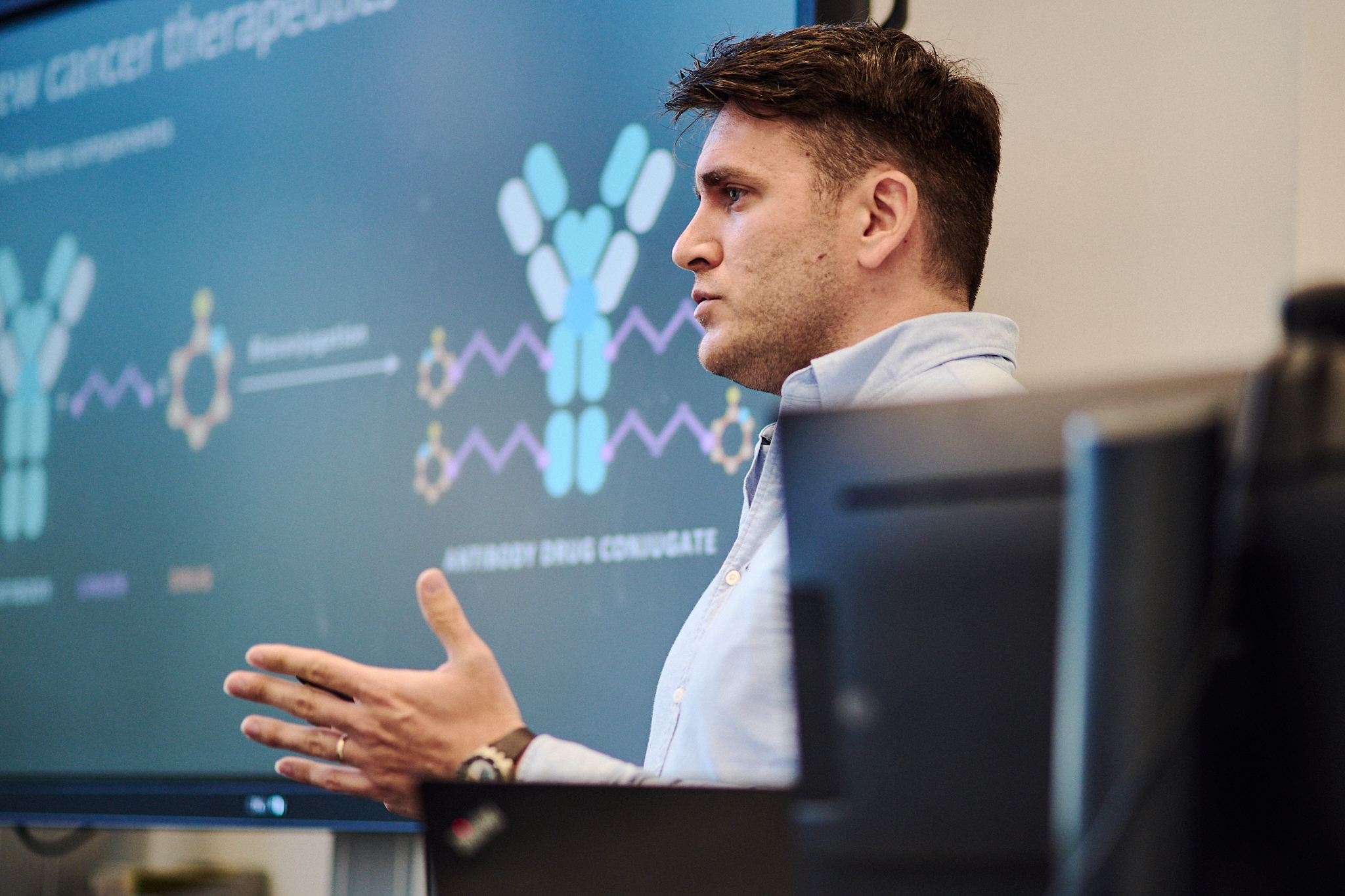
In its first year, five fellows started, and the initial results are promising. For example, Davide Carraretto is developing a technology that enables biomolecules such as proteins and DNA to be linked to other molecules. The innovation opens up new possibilities for a range of cancer therapies and has already secured substantial grant funding.
Other fellows are also making progress. Simjanreet Singh, founder of Ximplic, is developing new chip architectures for the next generation of computing systems and recently received an investment from Future Tech Ventures. A third fellow, Tobi Schilling, is developing a natural preservative for alcohol-free beer. Two other fellows have recently embarked on their entrepreneurial journey.
Collaboration as Key
What makes the fellowship unique is the collaboration with partners from the innovation ecosystem. Founded is one of them, along with NOM, Business Generator Groningen, Future Tech Ventures, BigCircle Ventures, and ISPT. This collaboration increases the likelihood that scientific innovations will develop into successful businesses and make a real impact.
Building the Future
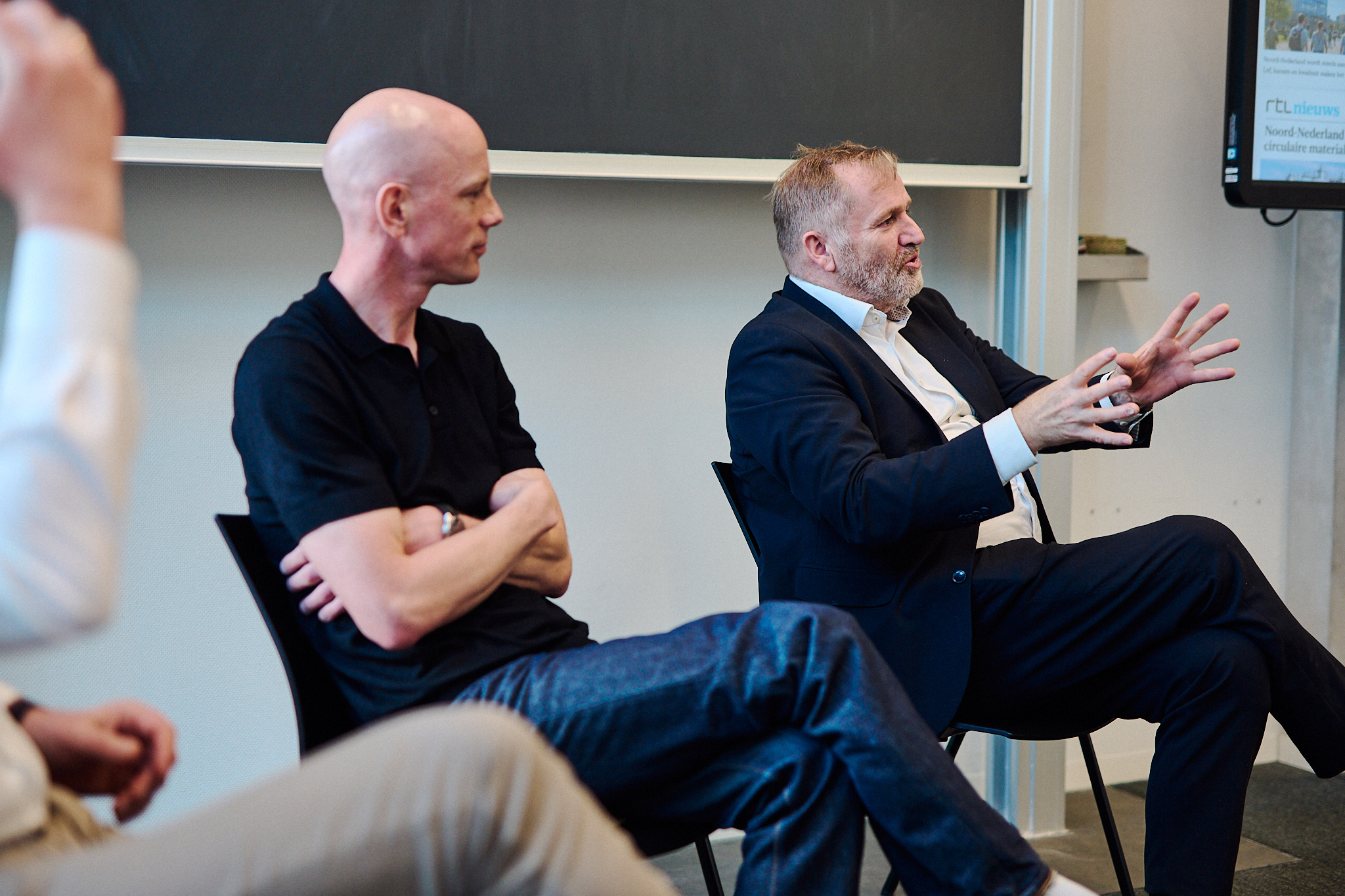
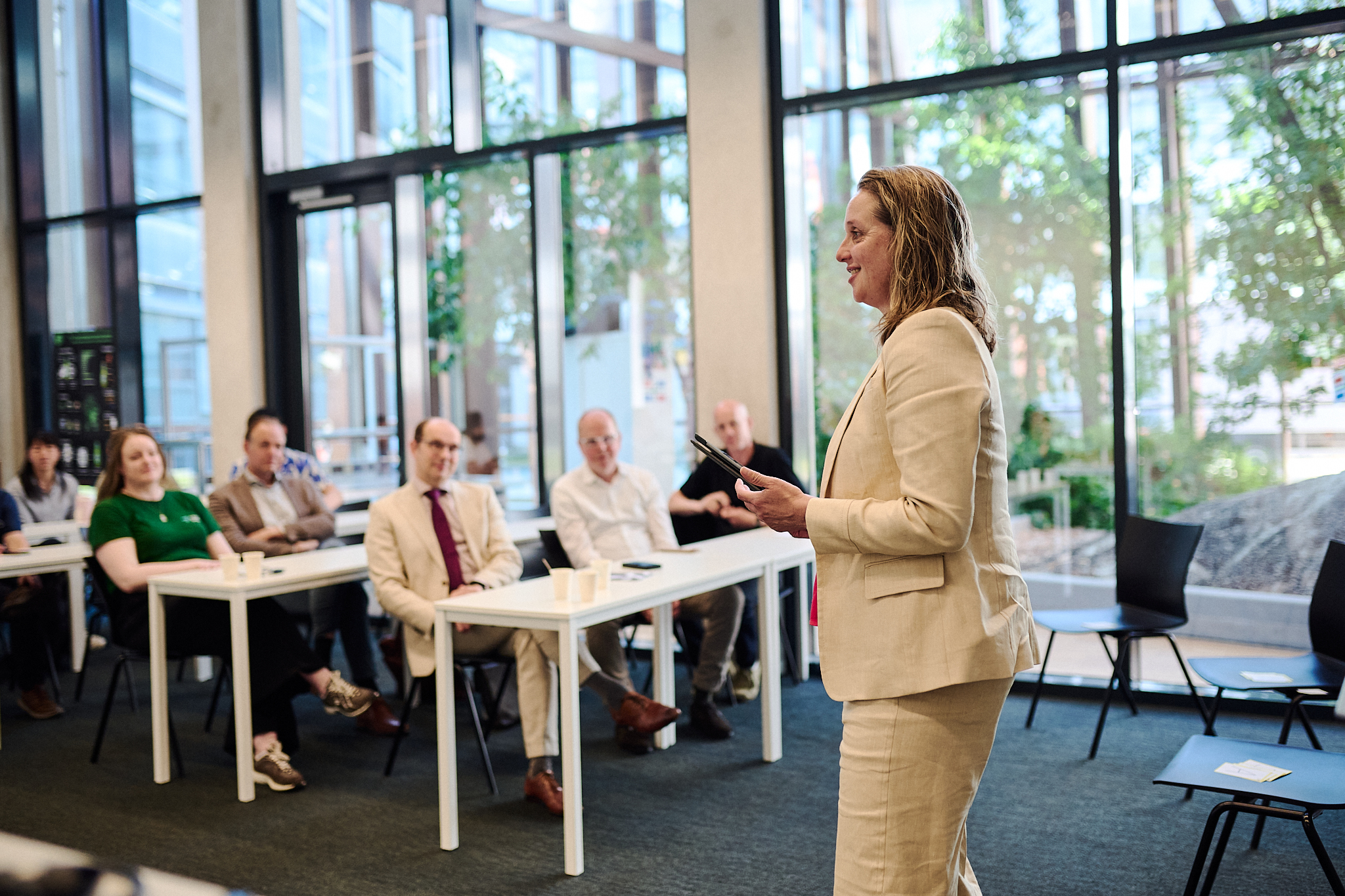
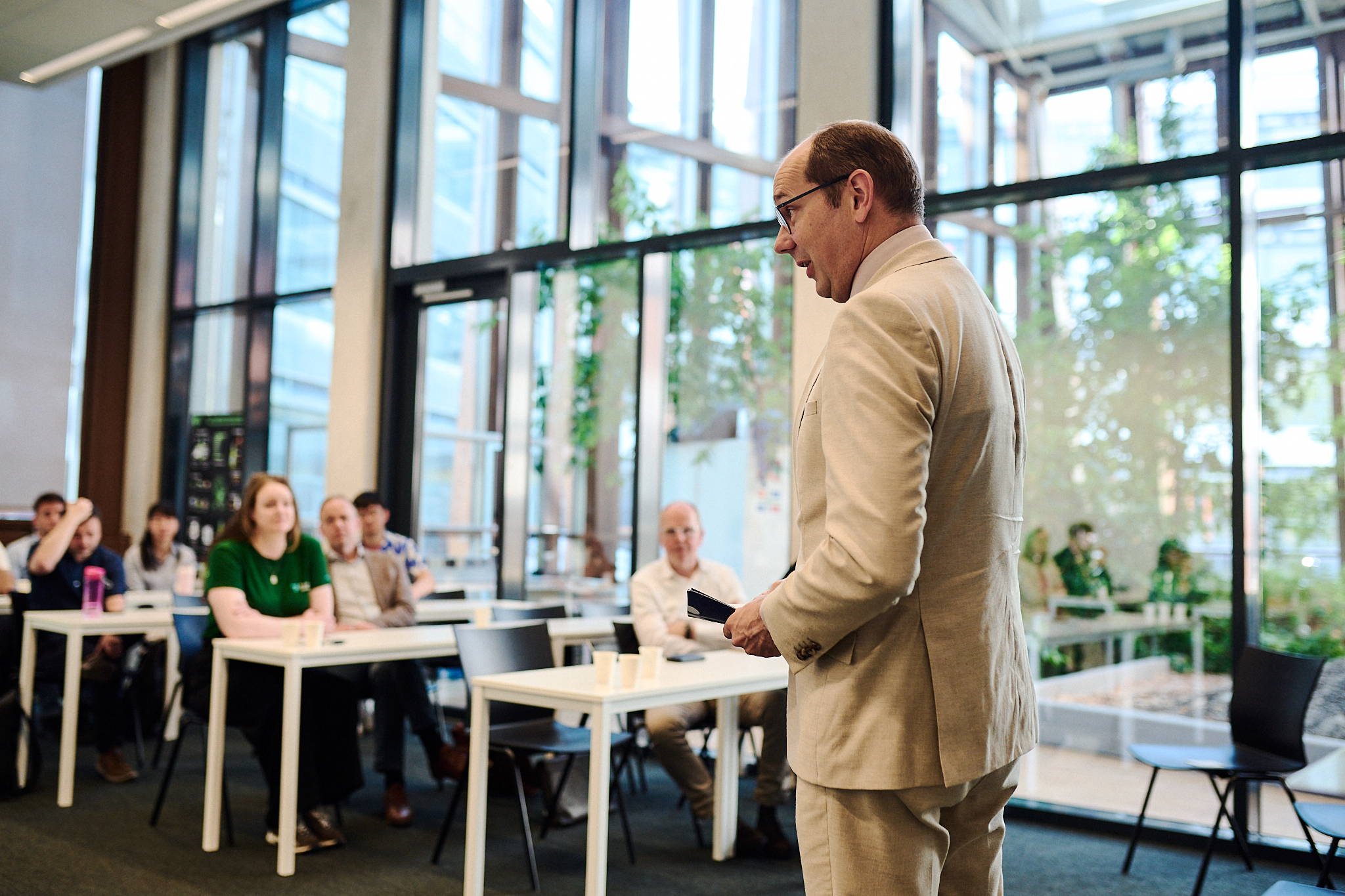
The fellowship is funded by the University of Groningen and the National Programme Groningen. Last Friday, Rector Magnificus Jacquelien Scherpen, Director of the National Programme Groningen Nienke Baars, Provincial Executive Member Erik Jan Bennema, Jakob Klompien (Nij Begun), and the involved partners gathered to reflect on the initial results and the future of the programme.
Heinemann sees opportunities to further expand the fellowship in the coming years:
If we continue to scale this approach, we can transform far more scientific knowledge into innovations, companies and societal impact over the coming decades. That represents a tremendous opportunity for Groningen and the Northern Netherlands.
Source: University of Groningen / Faculty of Science and Engineering.
For more information about the fellowship: Matthias Heinemann via m.heinemann@rug.nl